- Inspire
- Innovate
- Integrate

Conserve Solutions supports EPC contractors, plant owners, and engineering consultants in Kuwait with pipework stress analysis for process, utility, and pipeline systems. Our engineers evaluate pressure, temperature, weight, and dynamic loading on above-ground piping systems to confirm stresses, displacements, and support loads stay within code allowables before construction moves forward.
Kuwait’s oil and gas, petrochemical, and power projects rely on piping stress analysis services teams that understand local plant conditions, so our reports are built to support piping design review, vendor data checks, and construction sign-off rather than generic calculation summaries.
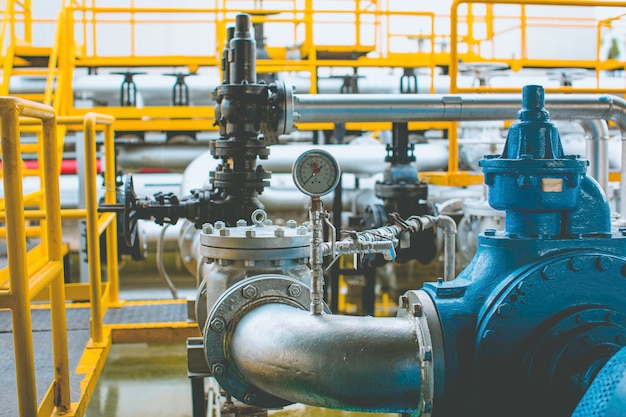
How Pipe Stress Analysis Supports Piping Systems
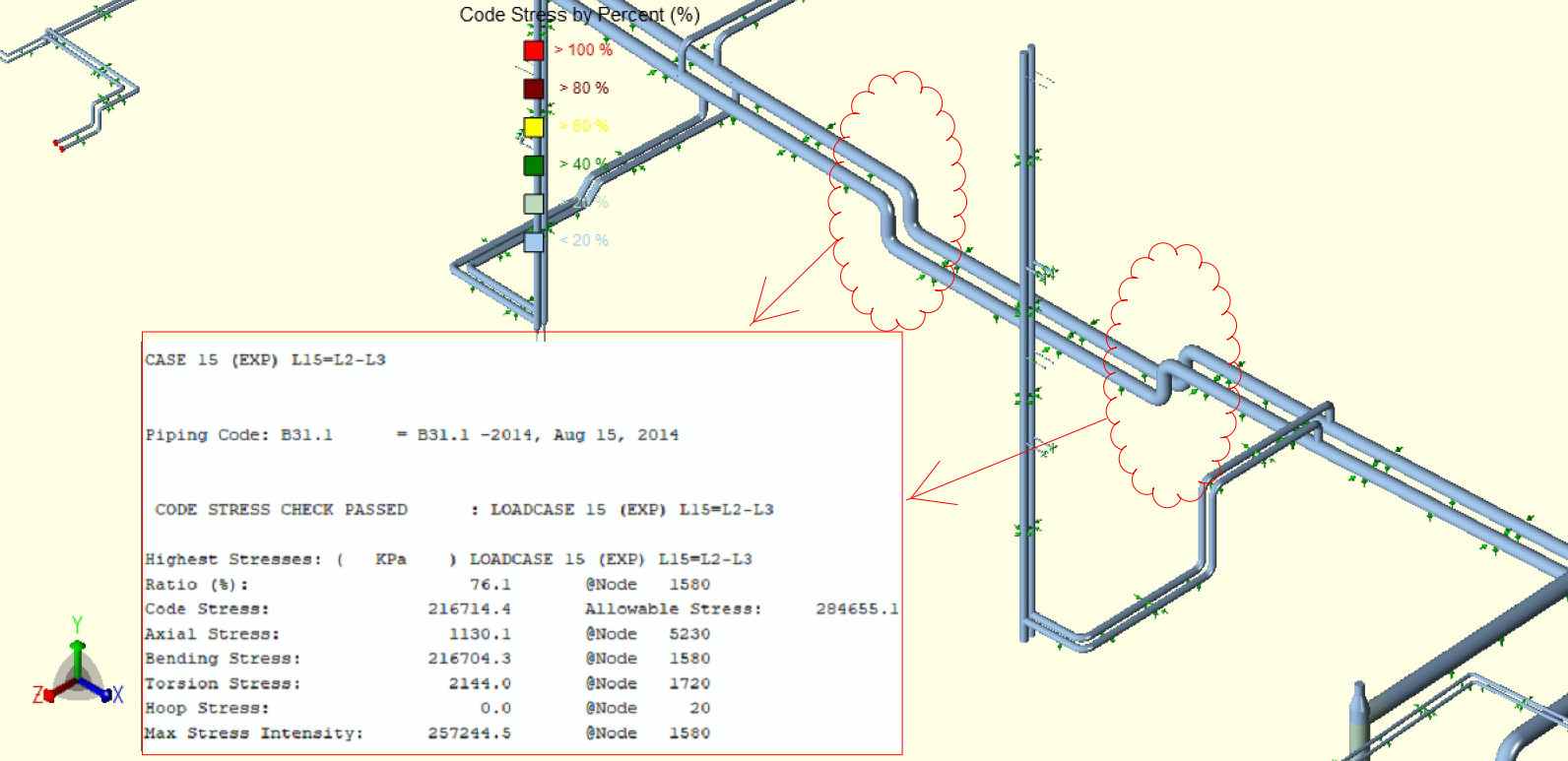
Piping stress analysis is the engineering evaluation of how internal pressure, temperature change, pipe weight, seismic loading, and external forces act on a pipe run, its fittings, and its supports. The purpose is to confirm that stresses stay within code-allowable limits, that displacements at equipment nozzles remain acceptable, and that supports are placed correctly so the system does not overload connected vessels, pumps, or structural steel.
Our pipe stress analysis engineers carry out this review against ASME B31.3 and B31.1 piping codes, and cross-check results against vendor allowable loads for pumps, compressors, and other rotating equipment.
Piping Stress Analysis Services for Industrial Projects
We provide piping stress analysis covering both static and dynamic loading conditions, matched to the piping class, layout, and operating conditions of each line. This piping system engineering scope covers new plant design, brownfield tie-ins, and revalidation of existing pipe racks and pipelines.
Static Load Analysis for Piping Systems
- Equivalent static (dynamic-equivalent) loading
- Sustained pressure loading
- Occasional loading, including wind and seismic cases
- Thermal expansion loading
Dynamic and Vibration Analysis for Piping
- Modal analysis
- Harmonic analysis
- Pipe vibration analysis for mechanically induced and flow-induced vibration
- Time-history analysis
- Water hammer analysis
Piping Stress Analysis Software for Kuwait Projects
We run our calculations in the tools used across the industry, matched to the project’s software standard where a client specifies one:
- CAESAR II - Hexagon
- AutoPIPE - Bentley
- CAEPIPE - SST USA
- PEPS - DST Engineering
- Rohr2 - Sigma, Germany
- PASS/START-PROF
Our Piping Stress Analysis Process
Our piping stress analysis process is structured around the project piping class, layout, operating conditions, design requirements, and applicable piping codes.
Step 01 - Data Collection & Line List Review
We collect P&IDs, isometrics, line lists, and equipment nozzle loads, and confirm the design conditions, pipe class, and code of the lines to be analyzed.
Step 02 - Model Build
Pipe routing, supports, restraints, and equipment connections are modeled to match the isometric or 3D layout, including insulation, valve, and flange weights.
Step 03 - Load Case Analysis
Static and dynamic load cases are run, covering sustained, expansion, and occasional loading, along with any piping design services clients need for vibration or water hammer review.
Step 04 - Support Optimization & Reporting
Where stress, displacement, or support conditions fall outside the applicable limits, the support arrangement can be reviewed and the model reassessed.
Industries Supported by Our Piping Stress Analysis
As piping system engineering projects move from FEED into detailed design, our stress analysis scope is set to match plant class, layout, and code requirements for each sector below.
- Oil & Gas
- Petrochemical & Refining
- Power Generation
- Water & Wastewater
- District Cooling & Utilities
- Industrial Plants
Why Choose Our Pipe Stress Analysis Consultants in Kuwait
Choosing a team that understands project requirements and applicable international piping codes helps identify stress, displacement, and support-related issues during design review.
Experienced Piping Engineers
Our engineers perform static and dynamic load-case analysis for industrial piping systems.
Consistent Quality Control
Every stress model and report is checked before issue, covering code compliance, support loads, and nozzle load checks against vendor allowables.
Project-Specific Scope
Each piping stress analysis scope is set against the project's piping class, code, and layout rather than a fixed template, so the deliverable matches what the line actually needs.
Practical, Usable Reports
Reports are structured to support design review and construction coordination, with support loads and code checks presented clearly for site and vendor teams.
Frequently asked questions
FAQ's
Piping stress analysis evaluates how pressure, temperature, weight, and external loading affect a pipe run and its supports. For piping stress analysis services in Kuwait plants, this review matters because oil & gas, petrochemical, and power facilities run at temperatures and pressures where an unchecked line can overload nozzles, valves, or structural supports.
Piping stress analysis should be carried out during detailed design, whenever an existing line is modified or re-routed, and whenever nozzle loads, support conditions, or operating parameters change on an existing system.
We check sustained pressure loading, thermal expansion, occasional loads such as wind and seismic, and dynamic effects including modal response, harmonic loading, and pipe vibration analysis where flow-induced or mechanical vibration is a concern.
Our stress evaluations are run against ASME B31.3 (process piping) and ASME B31.1 (power piping), with support and nozzle load checks against manufacturer allowables where equipment is involved.
We use CAESAR II, AutoPIPE, CAEPIPE, PEPS, Rohr2, and PASS/START-PROF, selecting the platform based on project requirements or client standard.
Both. We analyze new lines during detailed design and also revalidate existing piping when process conditions, supports, or routing change, or when a plant is being debottlenecked or life-extended.
A report includes the stress model, code compliance summary, support and nozzle loads, and, where lines fail initial checks, the revised support configuration used to bring the line into compliance.
Get in touch
Have any other questions?
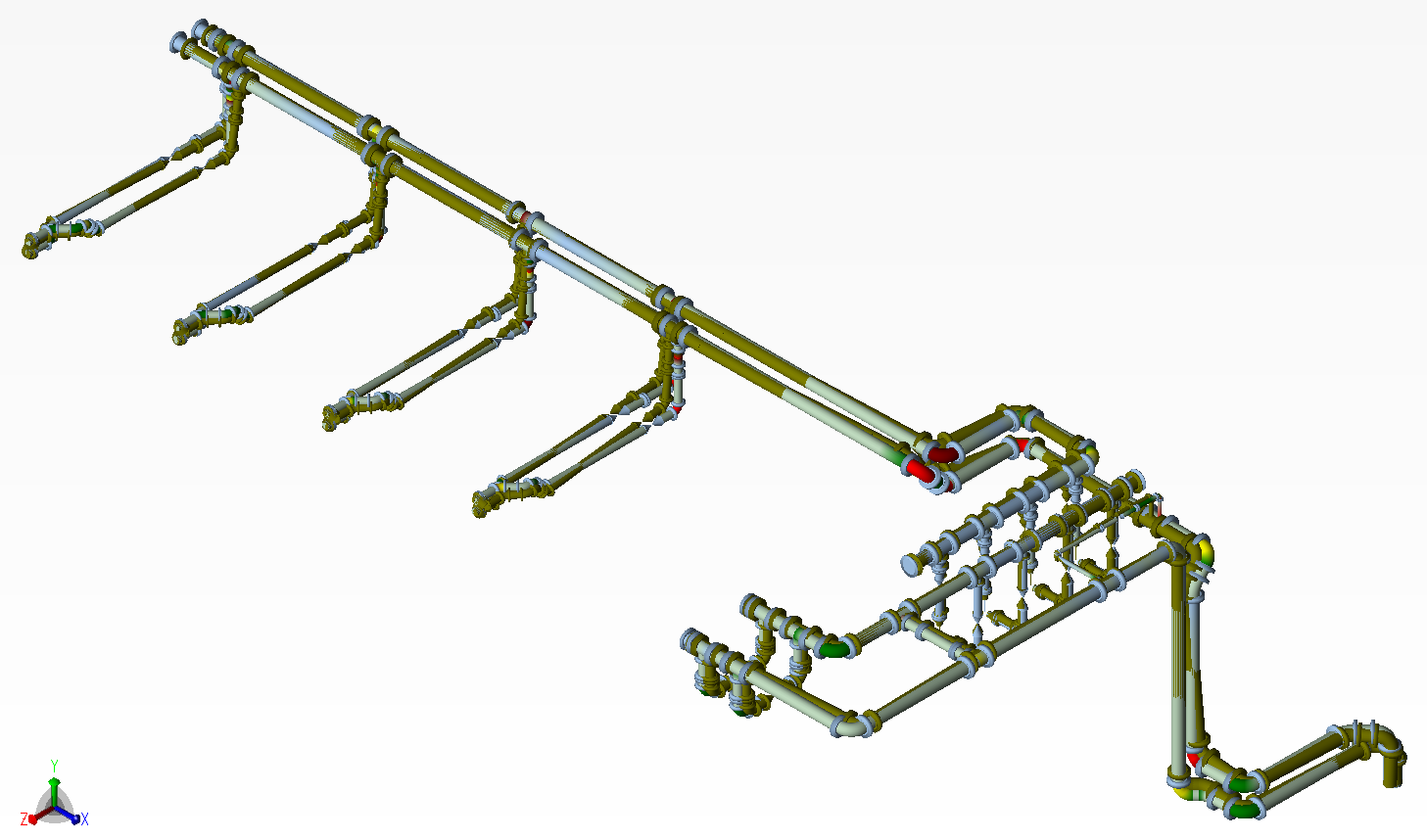
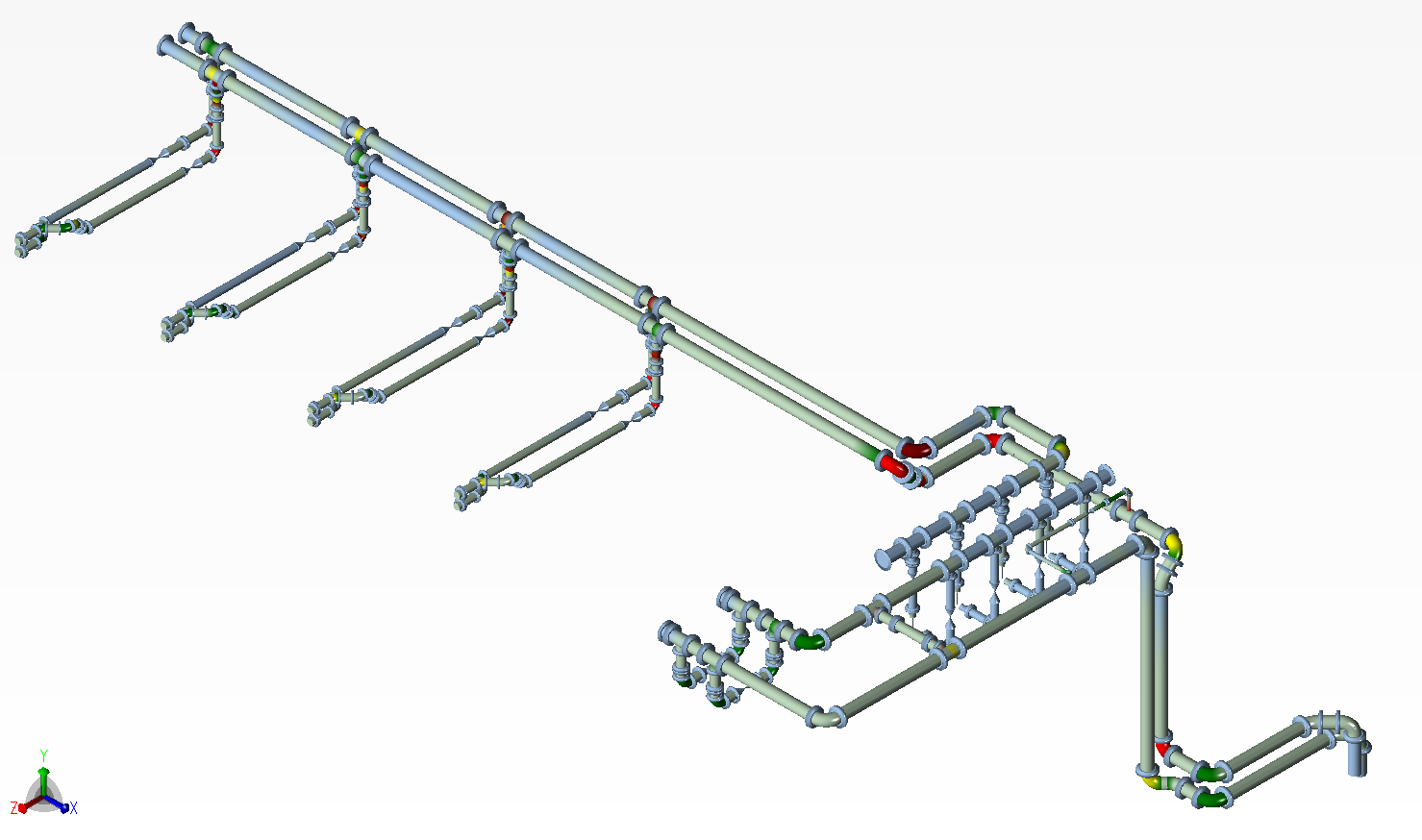
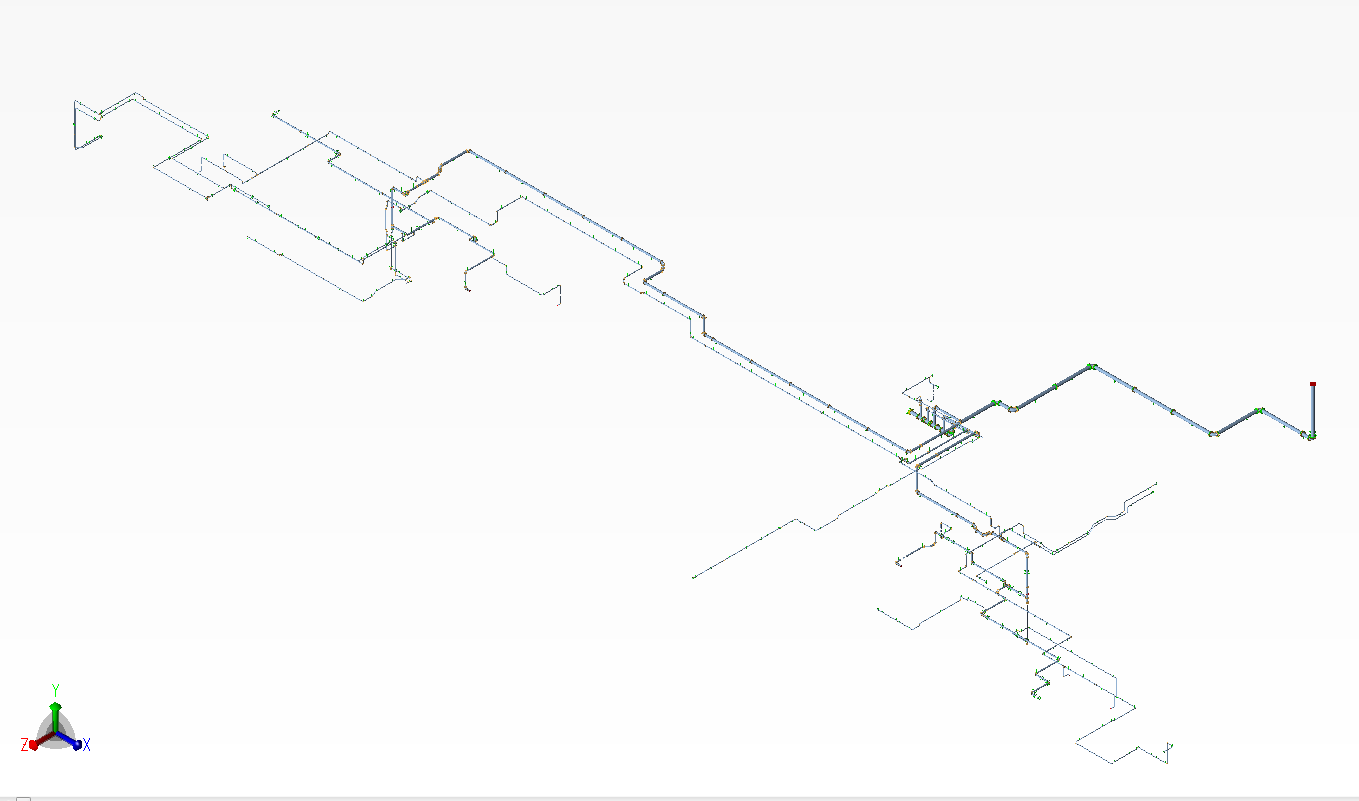
Technical Samples



Quick Links
Copyrights © 2026. Conserve Solutions. All Rights Reserved.
BIM Data, Cost & Handover Services
BIM Coordination & Constructability
BIM Modelling & Digital Delivery
Discipline BIM Modeling (Architectural, Structural, MEP)
BIM Automation & Digital Engineering
BIM Data, Cost & Handover Services
Structural & Steel Detailing Services
Architectural Design, Visualization & Presentation Support
BIM Coordination & Constructability
BIM Modelling & Digital Delivery