- Inspire
- Innovate
- Integrate

- Home
- Case Studies
- Achieving Acoustic Compliance: Noise Mitigation Strategies for District Cooling Plants
Achieving Acoustic Compliance: Noise Mitigation Strategies for District Cooling Plants
Project Snapshot
Parameter | Detail |
Client | District Cooling Plant |
Sector | Infrastructure |
Location | Middle East |
Platform / Software | CadnaA Software |
Standards | ISO 9613-1 & 2 standards |
Service | Conserve Solutions – Acoustics division |
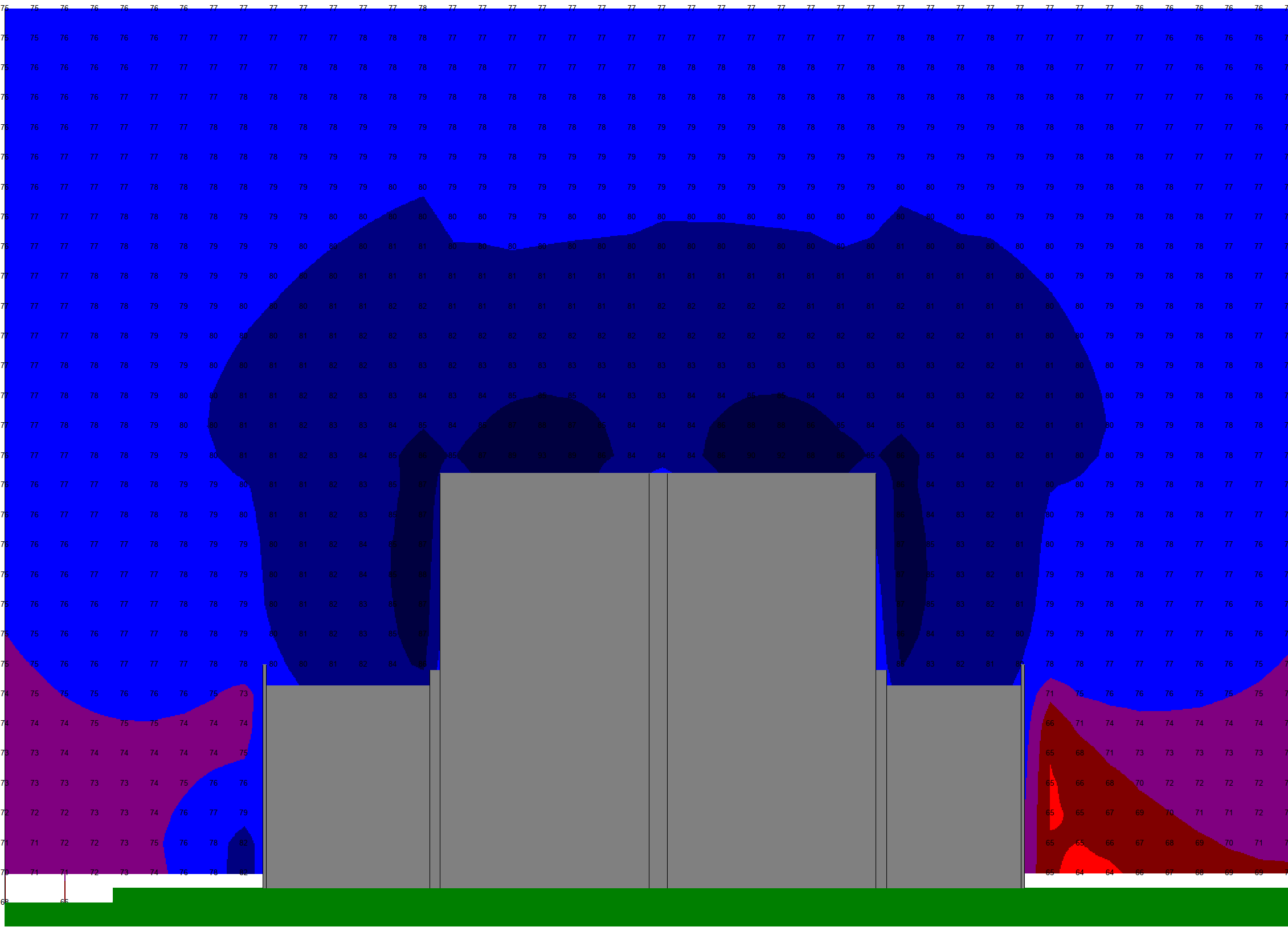
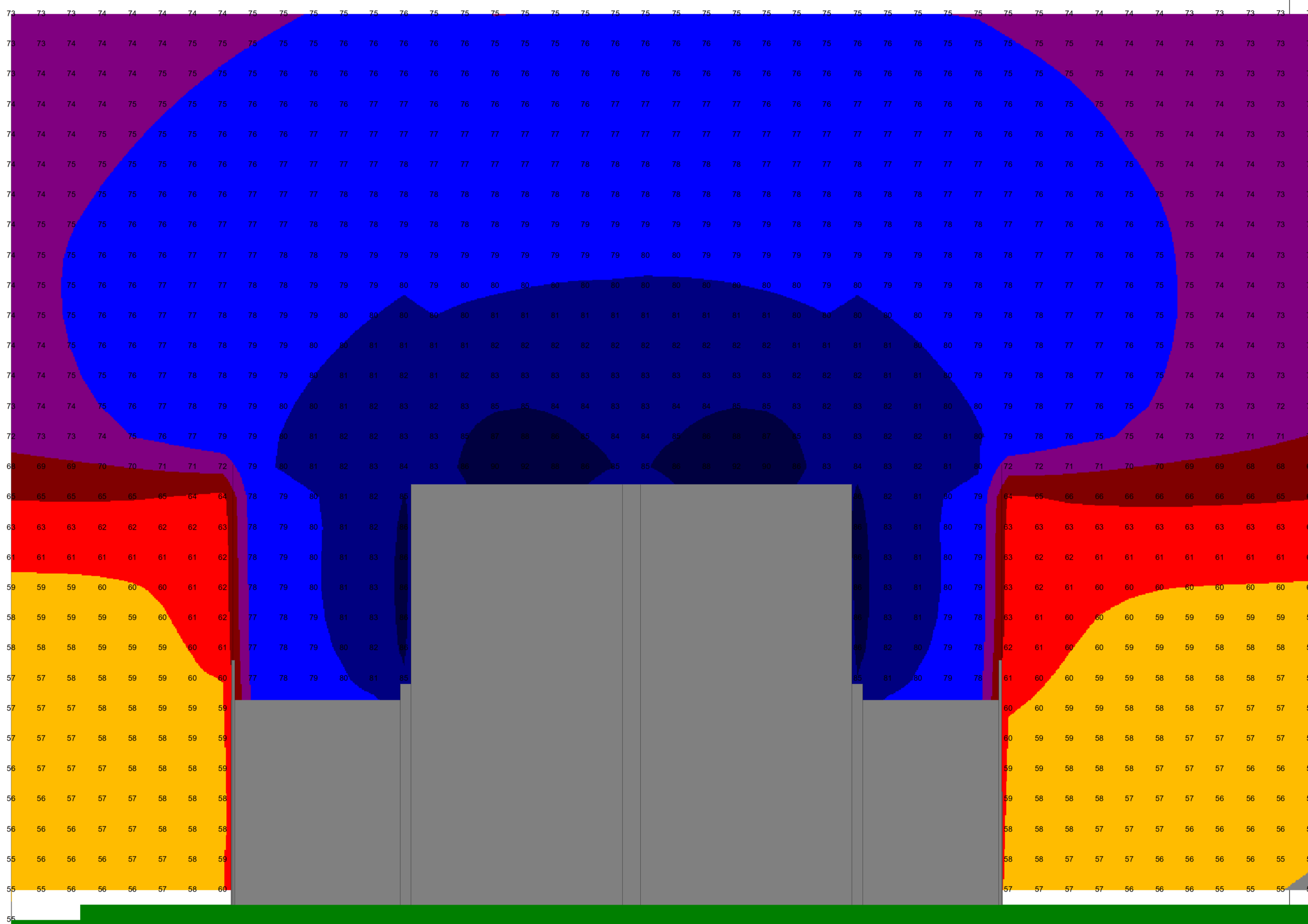
Key Outcome | Designing sound transmission characteristics of the Acoustic louver, Steel door and shutter door in the District Cooling Plant under 100% plant load conditions. |
Problem Statement
- Design and evaluate sound transmission characteristics of acoustic elements (louvers, steel doors, shutter doors) under full-load plant operation.
- Ensure compliance with stringent local noise regulations.
Impact of Challenges
- Reliable Input Data
Accurate acoustic prediction depends heavily on input quality. Ensuring reliable sound power data for major noise sources (especially cooling towers) was critical. - Multidisciplinary Coordination
Acoustic requirements had to be aligned with:
– CFD constraints
– Fire safety requirements
– Structural limitations
– Façade and MEP designs - Cost-Effective Mitigation Measures
Iterative simulations were required to avoid overdesign of the acoustic louver, resulting in cost reduction.
Conserve Solutions - How We Solved It
a. Thinking (Strategy)
In prediction and simulation of the plant noise under 100% load condition, Conserve knew that the input data has high importance. The importance can be better emphasized by the phrase “garbage in, garbage out”. The sound data of the high noise emitting equipment such as cooling tower were obtained in accordance with CTI ATC-128(05) laboratory/factory tested from the manufacturer. For some Cooling Tower models where factory tested was not available, Conserve has put an extra-effort to cross-verify with the existing Cooling Plant equipment under operation. This ensured correctness of the sound data and increased client confidence.
b. Execution (What We Built)
- Baseline Noise Measurement of existing site conditions (noise from traffic sources and nearby facilities).
- Review of Architectural, MEP and Process Equipment Detailed Design Layouts.
- Gather factory/tested sound data from the selected Vendors.
- Perform outdoor noise mapping by state of art software – CadnaA Software. This include proprietary acoustic modelling methods for the realistic simulation.
- Multiple simulation iteration to confine towards the minimum sound transmission requirements for the Acoustic Louvers and Doors.
c. Integration (Impact Layer)
Acoustic Design Outcomes such as Acoustic Louver Depth and Height are to be co-ordinated with other discipline consultants such as CFD, Structural, Mechanical and Façade-Architecture. Feedbacks from these disciplines were considered for finalizing the acoustic specifications.
Project Timeline:
Phase 1 : Day 1 – 7 | Baseline Noise Monitoring, Testing Data Review and Report Submission |
Phase 2 : Day 8 – 15 | Input Collection & Review – Finalising inputs |
Phase 3 : Day 16 – 24 | Modelling and simulation, Preliminary Presentation with Actual Case |
Phase 4 : Day 24 – 30 | Mitigation Analysis, Presentation with Mitigation Proposal |
Phase 5 : Day 31 – 40 | Revision on model considering Client and Other discipline feedbacks |
Software and Technology Used:
- NTi Acoustic Tools – Class 1 Sound Level Meter
- CadnaA Software – Outdoor Noise Simulation – State of art software
Before vs After Automation (High Impact Section)
Building Faces | Before Mitigation (dBA) | After Mitigation (dBA) | Outcome Achieved |
|---|---|---|---|
| North | 68 | 55 | Achieved compliance with local noise regulation limits |
| East | 73 | 55 | Minimized sound transmission to external site boundaries |
| South | 76 | 54 | Effectively mitigated high-noise equipment impact |
| West | 74 | 55 | Ensured consistent acoustic performance across site |
Why Conserve Solutions
- Design-phase thinking – we modelled what matters before construction, not after.
- Site presence – On-site presence for noise measurements activities.
- Realistic Simulations – detailed Input Sound Data analysis leading to realistic/accurate noise simulations.
- Cost-Effective Solutions – Optimized louver dimensions and placement, avoiding overdesign.
- Acoustic Digital Model – enables to validate/verify the selected materials ensuring compliance to local regulations.
Client Outcome
“Conserve’s acoustic outcomes helped us selecting the appropriate acoustic louver and doors to comply with the local regulation limits. Their detailed approach, technical expertise and simulation outcome representations are key-to-collaborate with them.”

Quick Links
Copyrights © 2026. Conserve Solutions. All Rights Reserved.
BIM Data, Cost & Handover Services
BIM Coordination & Constructability
BIM Modelling & Digital Delivery
Discipline BIM Modeling (Architectural, Structural, MEP)
BIM Automation & Digital Engineering
BIM Data, Cost & Handover Services
Structural & Steel Detailing Services
Architectural Design, Visualization & Presentation Support
BIM Coordination & Constructability
BIM Modelling & Digital Delivery