- Inspire
- Innovate
- Integrate

- Home
- Improving BIM Documentation Efficiency Through Automated Architectural and Structural Sheet Annotation
Improving BIM Documentation Efficiency Through Automated Architectural and Structural Sheet Annotation
Project Title
BIM Documentation Project Through Automated Architectural and Structural Sheet Annotation
Client
Renowned Engineering Consultant
Analysis By
Conserve Solutions
Scope
Improving BIM Documentation Efficiency through Automated Architectural and Structural Sheet Annotation
Introduction
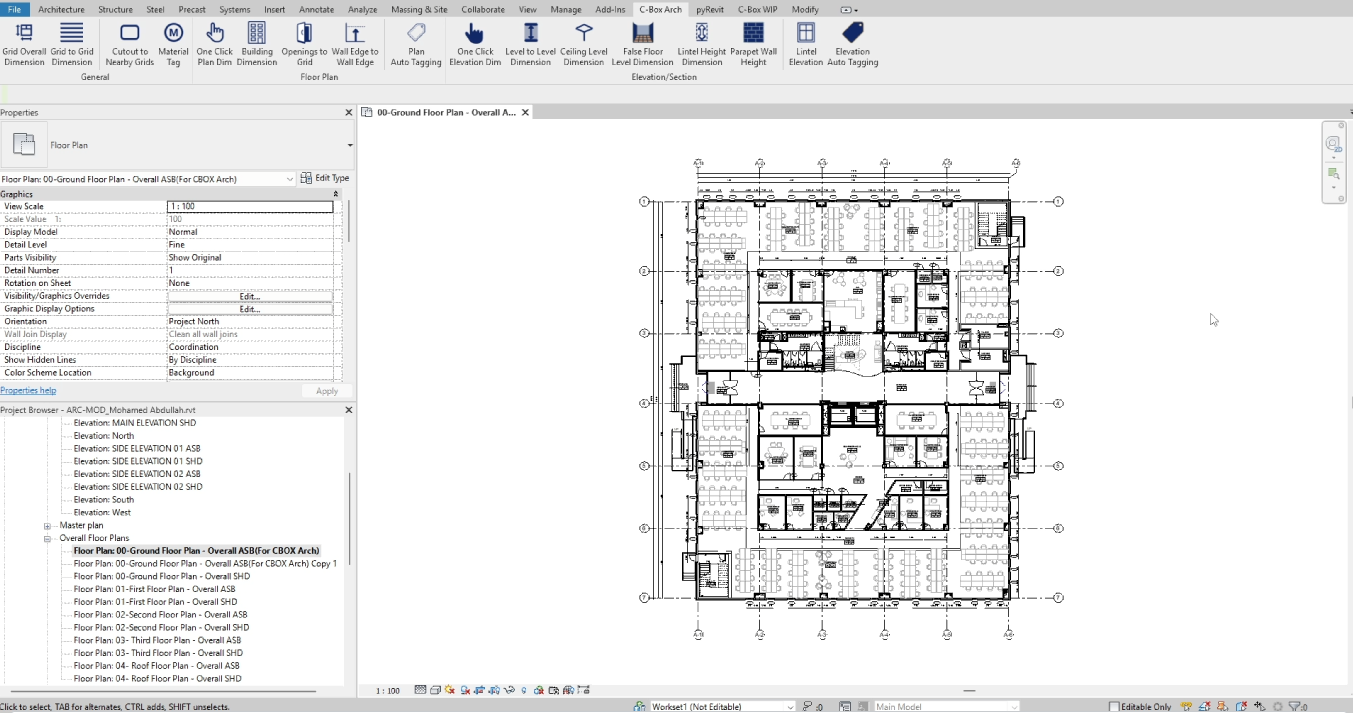
- In large BIM projects, preparing construction documentation requires extensive annotation work across architectural and structural sheets. Tasks such as tagging elements, placing grid and level dimensions, identifying spot elevations, and dimensioning structural components are essential to ensure accurate construction drawings.
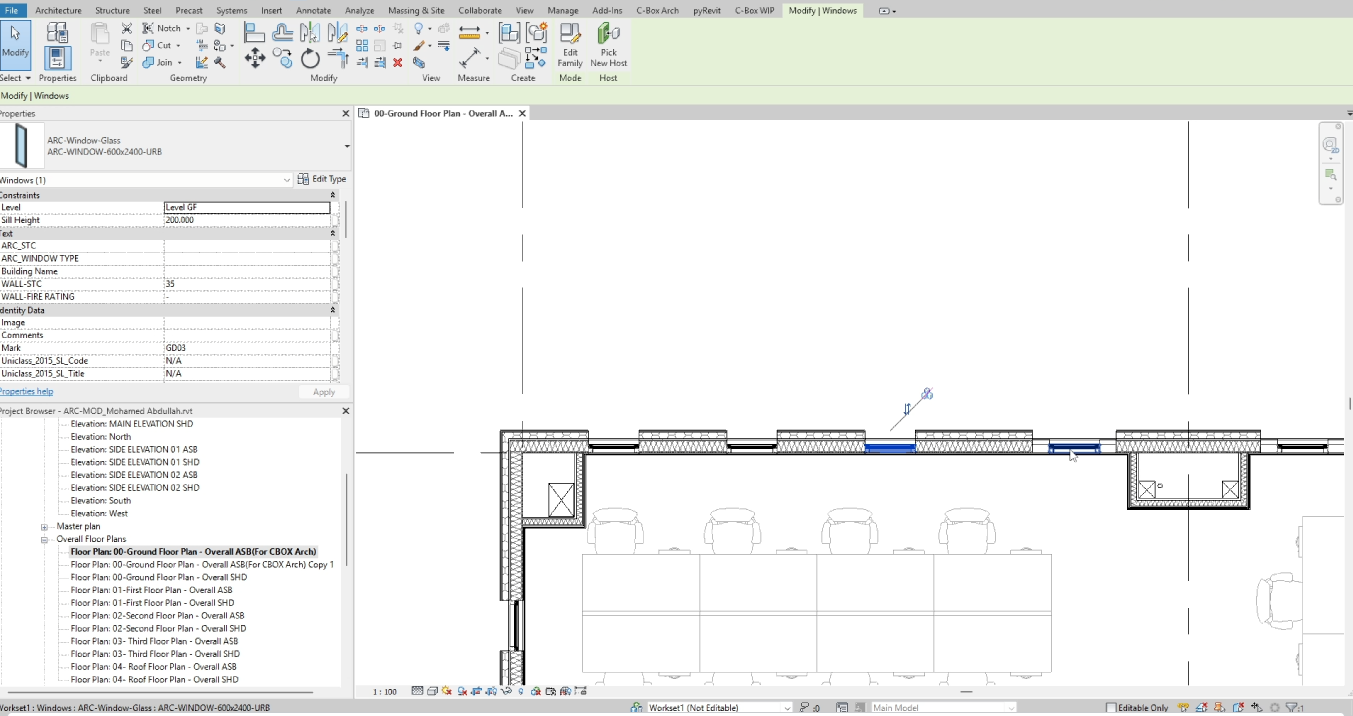
- Traditionally, these activities are performed manually within BIM authoring tools. As project sizes increase, manual annotation becomes repetitive, time‑consuming, and prone to inconsistencies.
- To address this challenge, an automated workflow was implemented to streamline sheet annotation for architectural and structural documentation. The solution significantly reduced manual effort while improving consistency and productivity across project deliverables.
Problem Statement
The client was managing multiple building projects that required the production of a large number of architectural and structural drawings during the documentation phase.
The BIM team faced several operational challenges:
- Significant time spent on performing repetitive tagging and dimensioning tasks
- Manual placement of annotations leading to inconsistent documentation standards
- Increased project timelines due to slow sheet preparation
- Higher risk of human error when annotating complex models
- Difficulty maintaining productivity when working on large sets of drawings
For each project, engineers were required to manually annotate elements such as grids, levels, ceilings, structural framing members, columns, and foundations. As the number of sheets increased, these repetitive tasks consumed a substantial portion of project time.
The client required a scalable approach that could automate the annotation process while maintaining consistent drawing standards.
Solution Approach
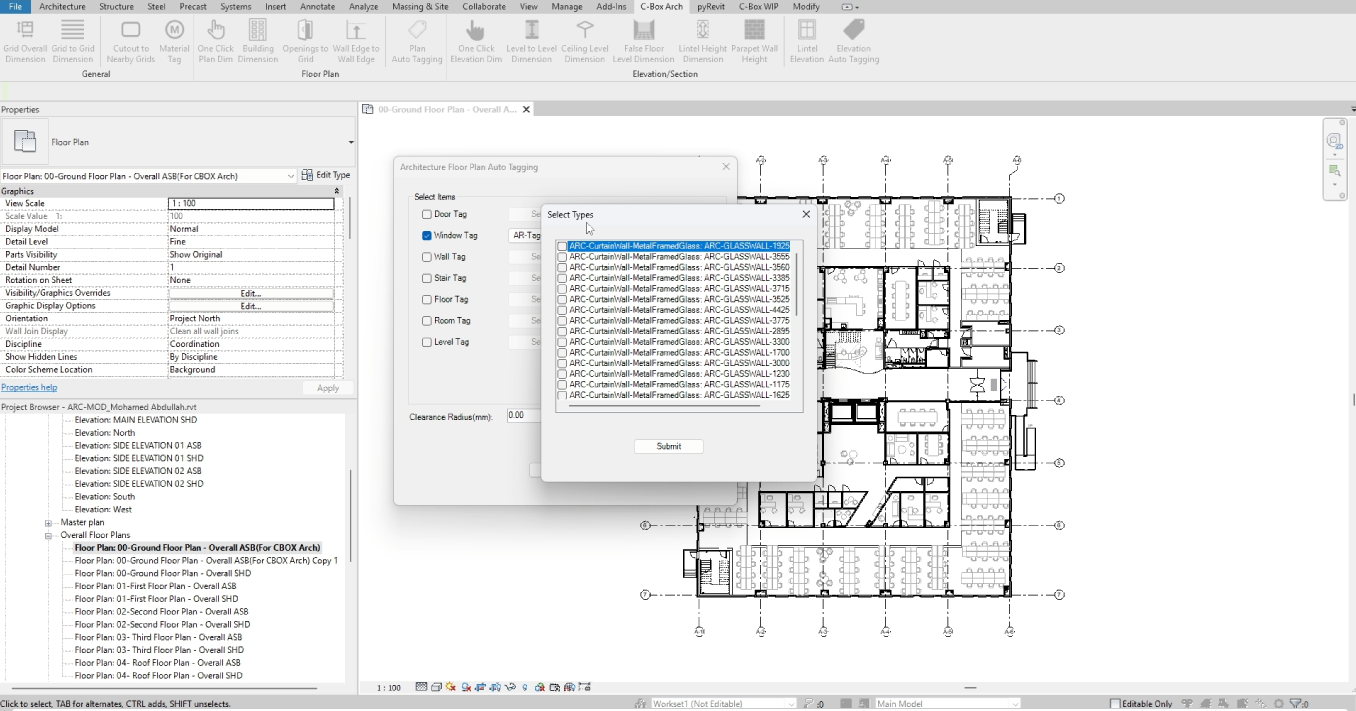
- A rule‑based automation workflow was implemented to streamline sheet annotation for both architectural and structural disciplines.
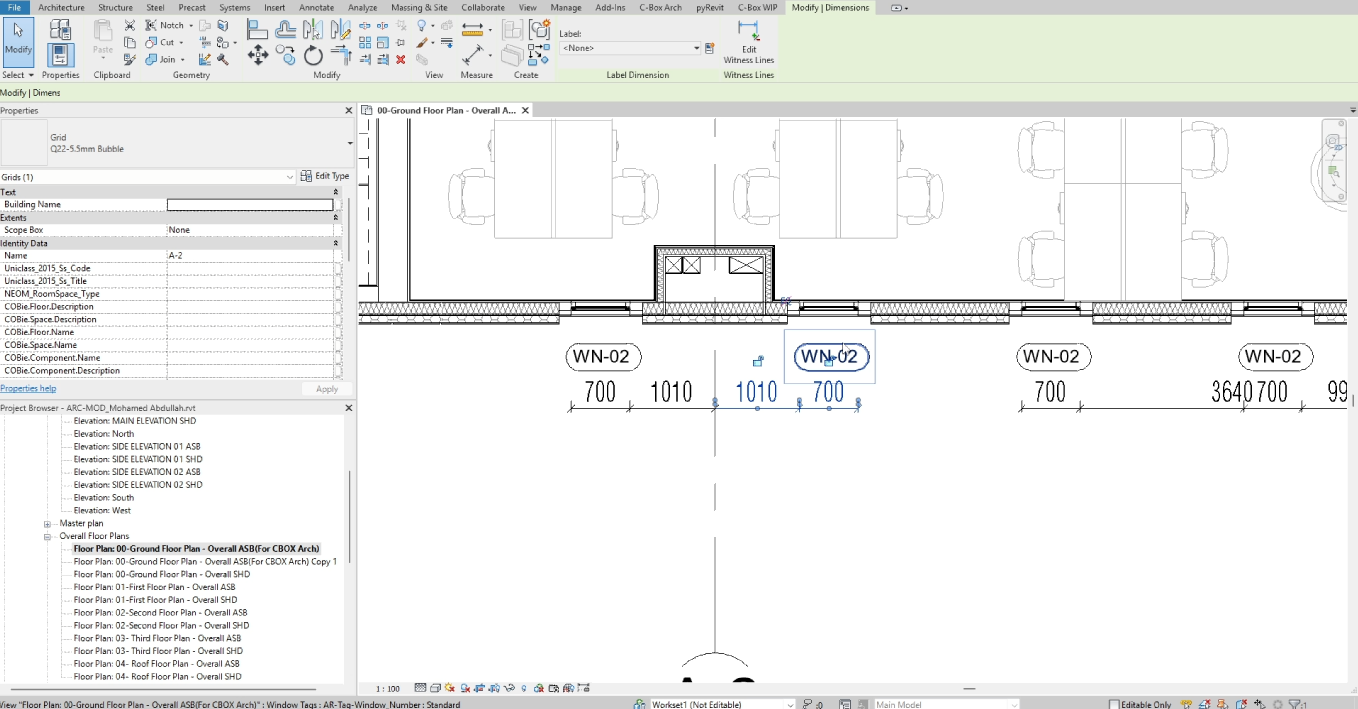
- The workflow identifies model elements within active views and automatically applies predefined annotation rules. These rules determine tag placement, dimension alignment, and offsets based on element type and orientation.
- By automating these repetitive documentation tasks, the workflow significantly reduced the time required to prepare annotated construction drawings while maintaining consistent documentation standards across project sheets.
Productivity Analysis
The implementation of automation significantly reduced the effort required for tagging and dimensioning activities across architectural and structural documentation.
Architectural Tagging
- Manual Effort: Approximately 17 hours
- Automated Processing Time: Approximately 1.5 hours
- Productivity Improvement: ~90% reduction in annotation time
Architectural Dimensioning
- Manual Effort: Approximately 7 hours
- Automated Processing Time: Approximately 35 minutes
- Productivity Improvement: ~85% reduction in dimensioning effort
Structural Tagging
- Manual Effort: Approximately 5 hours
- Automated Processing Time: Approximately 30 minutes
- Productivity Improvement: Significant reduction in manual tagging effort
Structural Dimensioning
- Manual Effort: Approximately 18 hours
- Automated Processing Time: Approximately 1.75 hours
- Productivity Improvement: ~90% reduction in documentation time
Key Benefits
- Significant reduction in time spent on sheet annotation activities
- Improved consistency across architectural and structural documentation
- Reduced manual errors associated with repetitive annotation tasks
- Faster preparation of construction drawings
- Increased productivity for BIM teams working on large projects

Conclusion
- The implementation of an automated annotation workflow significantly improved the efficiency of architectural and structural documentation.
- By reducing manual tagging and dimensioning effort, the solution streamlined sheet preparation and ensured consistent annotation standards across project drawings.
- This case demonstrates how targeted BIM automation can transform documentation workflows, enabling engineering teams to deliver high‑quality construction documentation more efficiently while reducing project timelines.

Quick Links
Copyrights © 2026. Conserve Solutions. All Rights Reserved.
BIM Data, Cost & Handover Services
BIM Coordination & Constructability
BIM Modelling & Digital Delivery
Discipline BIM Modeling (Architectural, Structural, MEP)
BIM Automation & Digital Engineering
BIM Data, Cost & Handover Services
Structural & Steel Detailing Services
Architectural Design, Visualization & Presentation Support
BIM Coordination & Constructability
BIM Modelling & Digital Delivery