- Inspire
- Innovate
- Integrate

- Home
- Sustainability Reporting & ESG Consulting Services
- Greenhouse Gas (GHG) Reporting Services
Greenhouse Gas (GHG) Reporting Services
At Conserve Solutions, we empower organizations to confront climate change by offering accurate, actionable, and compliant Greenhouse Gas (GHG) Reporting Services. As global expectations around sustainability rise, transparent emissions reporting has become essential, not just for compliance but for building trust and driving operational improvement.
Our team organizes relevant operational data to develop a structured record of your greenhouse gas emissions, supporting emissions reporting, sustainability objectives, and applicable reporting requirements.
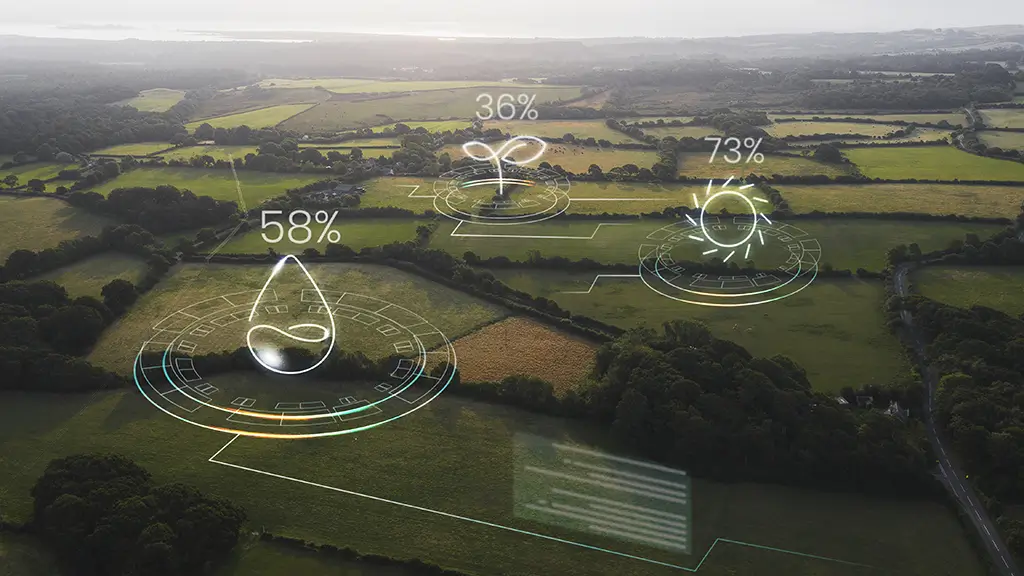
Our Greenhouse Gas Reporting Process:
Our GHG Reporting Services follow a structured process covering emissions inventory, regulatory considerations, data collection and analysis, and benchmarking and goal setting.
01
Emissions Inventory
We collect and organize data across scopes—energy use, transport, waste, and more—to create a detailed and accurate emissions profile of your operations.
02
Regulatory Compliance
We ensure your GHG reports comply with standards such as ISO 14064, national mandates, and international frameworks.
03
Data Collection & Analysis
With a team of CEMs, CEAs, and M&V professionals, we perform in-depth analysis aligned with ASHRAE and ISO 50001, ensuring credible and precise outcomes.
04
Benchmarking & Goal Setting
We evaluate your emissions performance against industry benchmarks and help set realistic and impactful emissions reduction targets.
Together, these stages provide a structured approach to greenhouse gas emissions reporting, from emissions data collection and inventory development through analysis and reporting.
Our Greenhouse Gas Consulting Services
Carbon Reduction Strategy
We design actionable strategies to reduce emissions, optimize resources, and meet climate targets.
Carbon Reduction Strategy
We design actionable strategies to reduce emissions, optimize resources, and meet climate targets.
Sustainability Roadmap
A step-by-step plan that aligns your business operations with sustainability goals—practical, measurable, and effective.
Sustainability Roadmap
A step-by-step plan that aligns your business operations with sustainability goals—practical, measurable, and effective.
Renewable Energy Integration
We help your business adopt renewable solutions-solar, wind, or hybrid-cutting both emissions and long-term energy costs.
Renewable Energy Integration
We help your business adopt renewable solutions-solar, wind, or hybrid-cutting both emissions and long-term energy costs.
Employee Engagement
Foster a culture of sustainability by involving and educating your workforce in your emissions goals and environmental mission.
Employee Engagement
Foster a culture of sustainability by involving and educating your workforce in your emissions goals and environmental mission.
Why Choose Our GHG Consulting Services
Experienced Team
In-house certified experts with deep technical understanding of GHG accounting and sustainability strategy.
Customized Solutions
Reports and roadmaps that reflect your unique operations, goals, and industry context.
Compliance Assurance
We ensure your reporting aligns with ISO 14064, GHG Protocol, and other regulatory expectations.
Long-Term Partnership
We’re a strategic partner in climate stewardship and emissions reduction.
As your GHG consultant, we help organizations interpret their emissions data, identify key emission sources, and use reporting results to support emissions reduction planning.
Industries Supported by Our GHG Services
- Construction, real estate, and facility management
- Oil, gas, and energy operations
- Hospitality and commercial buildings
- Manufacturing and industrial facilities
- Government and institutional organizations
- Corporate organizations and ESG teams
At Conserve Solutions, we empower organizations to confront climate change by offering accurate, actionable, and compliant Greenhouse Gas (GHG) Reporting Services. As global expectations around sustainability rise, transparent emissions reporting has become essential, not just for compliance but for building trust and driving operational improvement.
Our team organizes relevant operational data to develop a structured record of your greenhouse gas emissions, supporting emissions reporting, sustainability objectives, and applicable reporting requirements.
Frequently asked questions
FAQ's
GHG reporting involves tracking and documenting emissions from operations, categorized by Scope 1, 2, and 3 emissions, using recognized standards like ISO 14064 and the GHG Protocol.
Any organization aiming for sustainability certifications, complying with national regulations, or wanting to improve environmental transparency should perform GHG reporting.
GHG reporting helps businesses identify major emission sources, set reduction targets, monitor progress, and adopt low-carbon strategies, contributing directly to net-zero goals and climate action plans.
Most organizations perform GHG reporting annually, although continuous monitoring is encouraged for real-time decision-making.
A carbon footprint is the total greenhouse gas emissions caused directly or indirectly by a company. It is calculated by measuring all emission sources, converting them into CO₂ equivalent (CO₂e), and categorizing them by scope.
Greenhouse gas consulting can include emissions inventory development, data analysis, reporting support, benchmarking, and emissions reduction planning based on the organization’s requirements and greenhouse gas emissions.
A carbon footprint study provides an assessment of emissions for a defined period or scope, while greenhouse gas emissions reporting is a structured process for documenting and communicating emissions data according to applicable reporting requirements or frameworks.
Scope 1 emissions are direct emissions from sources owned or controlled by an organization. Scope 2 emissions are indirect emissions associated with the generation of purchased electricity, steam, heating, and cooling. Scope 3 emissions are other indirect emissions occurring across the organization’s value chain.
GHG reporting typically requires information on energy consumption, fuel use, transportation, waste, and other relevant emission sources. The data required depends on the organization’s operations, reporting boundaries, and applicable reporting requirements.
The organizational boundary defines the entities, facilities, and operations included in a greenhouse gas emissions inventory. Establishing this boundary helps determine which emissions are included in the reporting assessment.
Get in touch
Have any other questions?



Quick Links
Copyrights © 2026. Conserve Solutions. All Rights Reserved.
BIM Data, Cost & Handover Services
BIM Coordination & Constructability
BIM Modelling & Digital Delivery
Discipline BIM Modeling (Architectural, Structural, MEP)
BIM Automation & Digital Engineering
BIM Data, Cost & Handover Services
Structural & Steel Detailing Services
Architectural Design, Visualization & Presentation Support
BIM Coordination & Constructability
BIM Modelling & Digital Delivery